- Contact Number: (033) 264 2500
-
Call Centre
033 880 0565
KWAZULU-NATAL TAKES ITS CLIMATE RESILIENCE AGENDA TO COP31
A KwaZulu-Natal delegation led by the MEC for Economic Development, Tourism and Environmental Affairs (EDTEA), Rev. Musa Zondi, recently attended the 31st Conference of the Parties (COP31) to the United Nations Framework Convention on Climate Change (UNFCCC), held in Antalya, Türkiye.
The province joined representatives of 196 Parties to the Convention and the European Union. Leaders engaged on shared priorities in climate action, sustainable development, investment and the transition to a low-carbon economy. Forming part of the delegation was also EDTEA's Chief Director: Environmental Management, Dr. Bonginkosi Dlamini.
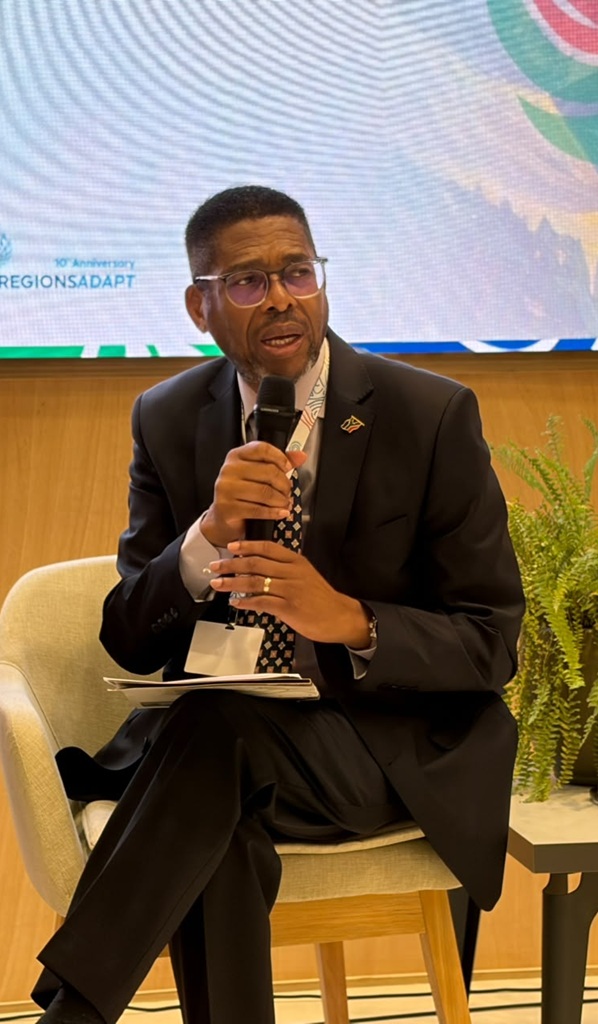
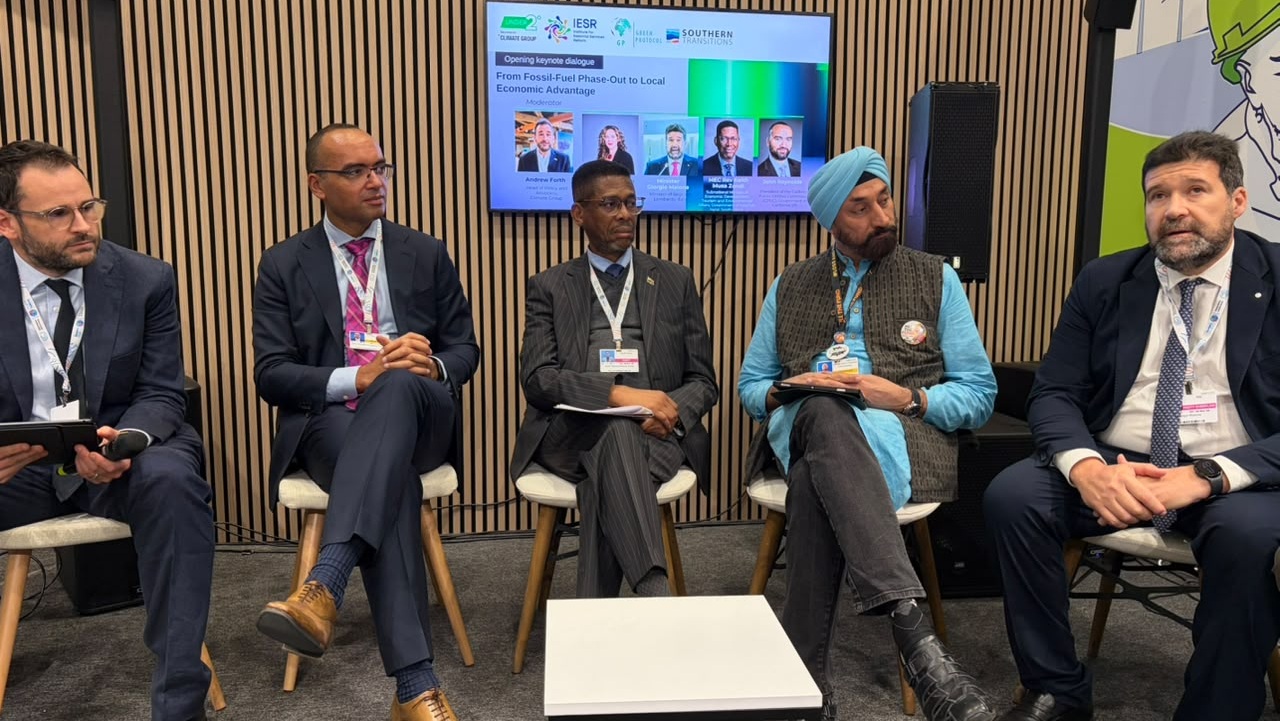
During the summit, the provincial delegation participated in a number of strategic engagements on mobilising investment, unlocking capital and strengthening the role of states and regions within global climate finance frameworks. They explored opportunities for global collaboration that support climate action, strengthen local resilience and contribute to a sustainable future for its communities. Speaking on a cross-regional panel, MEC Zondi called for a people-centred approach to the just transition, one that balances environmental sustainability with economic growth, job creation and the protection of livelihoods. The discussion reaffirmed the need for collaboration, innovative solutions and strategic partnerships to ensure that the shift to a low-carbon economy leaves no one behind.
MEC Zondi took part in a high-level panel titled "Navigating Water Extremes: A Multilevel Governance Approach to Climate Resilience". The discussion explored how stronger collaboration and coordination across national, provincial and local government can address water-related climate risks, improve water resource management and build climate-resilient communities. Drawing on KwaZulu-Natal's experience of devastating floods and recurring droughts, he stressed the need for integrated planning, effective early-warning systems, sustained investment in water infrastructure and nature-based solutions. A coordinated, proactive and collaborative approach, he said, is essential to protecting vulnerable communities, reducing the impacts of climate change and building a more resilient and sustainable future for the province.
The MEC returned to this theme on a panel on accelerating adaptation to extreme weather events, alongside Gauteng MEC for Environment, Mr. Ewan Botha, and representatives from Wales (Regions4). Panellists shared regional experiences and practical approaches to strengthening early-warning systems, disaster preparedness and community participation in building climate resilience. Reflecting on the devastating April 2022 floods, MEC Zondi emphasised that early warnings must reach every household, particularly in vulnerable communities. MEC Zondi also delivered the opening remarks at "Unlocking Carbon Markets for Cities: Financing Local Climate Action and Urban Resilience", a session hosted by the South African Local Government Association (SALGA).
He outlined KwaZulu-Natal's progress and experience in using carbon markets to advance climate action, pointing to successful initiatives such as eThekwini's landfill gas-to-electricity projects and the Buffelsdraai reforestation project. He highlighted the critical role of provincial government in helping municipalities develop investment-ready projects, mobilise climate finance and unlock the potential of carbon markets to drive sustainable development. Carbon markets, he said, must deliver tangible benefits for local communities, including job creation, environmental protection, stronger urban resilience and inclusive local economic growth. Through its participation in COP31, KwaZulu-Natal reaffirmed its place as an active contributor to global discussions on climate action and sustainable economic transformation.